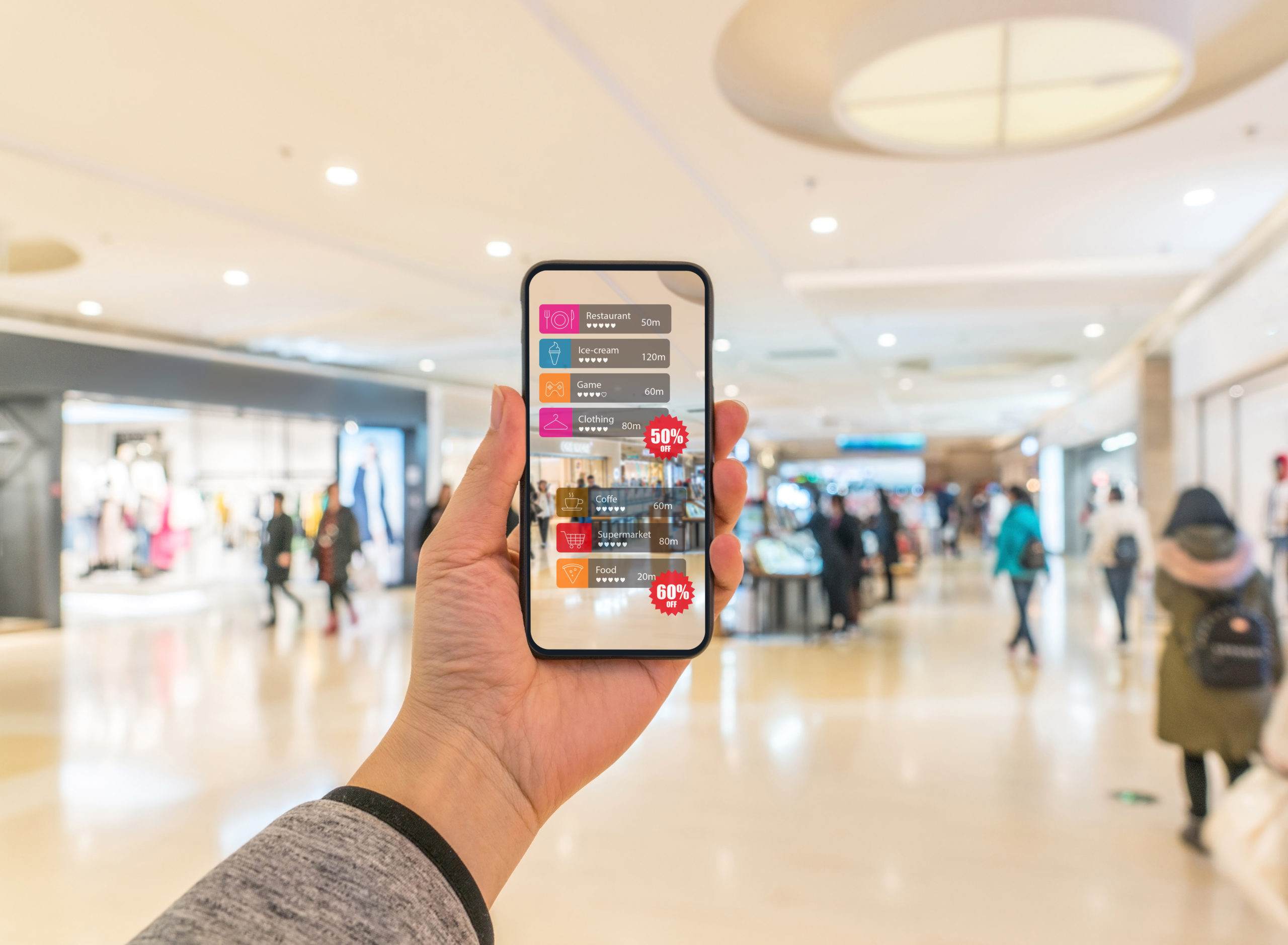
Exploring the Future: How Augmented Reality is Transforming Everyday Life
Augmented Reality (AR) is no longer a concept limited to gaming and entertainment; it is rapidly evolving to become an integral part of our everyday life. From enhancing our shopping experiences to transforming how we interact with our environment, the applications of AR technology are vast and varied. For instance, retailers are leveraging AR to create virtual fitting rooms, allowing customers to see how clothes would look on them without physically trying them on. This not only improves the shopping experience but also reduces return rates, making it a win-win for both consumers and businesses.
Moreover, the integration of augmented reality into education is paving the way for more engaging and interactive learning experiences. With AR, students can explore complex scientific concepts through immersive visualizations that bring abstract ideas to life. Schools are increasingly adopting AR tools for subjects such as biology and history, enabling learners to witness anatomy in 3D or reconstruct historical events in a virtual setup. As AR continues to develop, its potential to transform education, wellness, and social interactions remains incredibly promising, suggesting that the future of our daily lives will be enriched in ways we are just beginning to understand.
The Science Behind Augmented Experiences: How AR Enhances Your Reality
Augmented Reality (AR) has transformed the way we interact with the world around us, blending digital elements seamlessly into our physical environment. The science behind this technology hinges on computer vision, simultaneous localization and mapping (SLAM), and depth tracking. These components work together to analyze real-time data, allowing digital content to be projected onto the user’s view. By utilizing devices such as smartphones and AR glasses, users experience an enriched perspective, as they encounter virtual objects that appear to coexist with the real world. This compelling fusion not only captivates users but also enhances learning, gaming, and shopping experiences through engaging interactions.
The impact of AR reaches far beyond entertainment; it enhances your reality in various practical applications. For instance, in education, AR can provide interactive simulations, enabling students to visualize complex concepts and engage with the material in an immersive way. In healthcare, professionals rely on AR for surgery assistance and anatomy visualization, ultimately improving patient outcomes. Furthermore, industries like retail leverage AR to offer virtual try-ons, allowing customers to see how products look and fit without the need for physical samples. This combination of technology and user experience demonstrates how AR not only enriches daily life but fundamentally alters our reality.
What Are Augmented Experiences and How Can They Benefit You?
Augmented experiences refer to the integration of digital information and visuals into the real world, enhancing our perception and interaction with our environment. By utilizing technologies like augmented reality (AR), these experiences overlay digital elements—such as 3D models, text, or interactive content—onto our surroundings, providing a customizable layer of information. With applications in various sectors, including education, retail, and tourism, augmented experiences can transform how we engage with products, places, and even each other, making our interactions more immersive and informative.
The benefits of augmented experiences are multi-faceted:
- Enhanced Learning: They allow users to grasp complex concepts through visualization in a way that traditional methods cannot.
- Improved Customer Engagement: Businesses can create interactive experiences that captivate customers, increasing brand loyalty.
- Real-Time Information: Users can access relevant data instantaneously, contributing to informed decision-making.
By leveraging these advantages, you can significantly enrich both personal and professional aspects of your life.