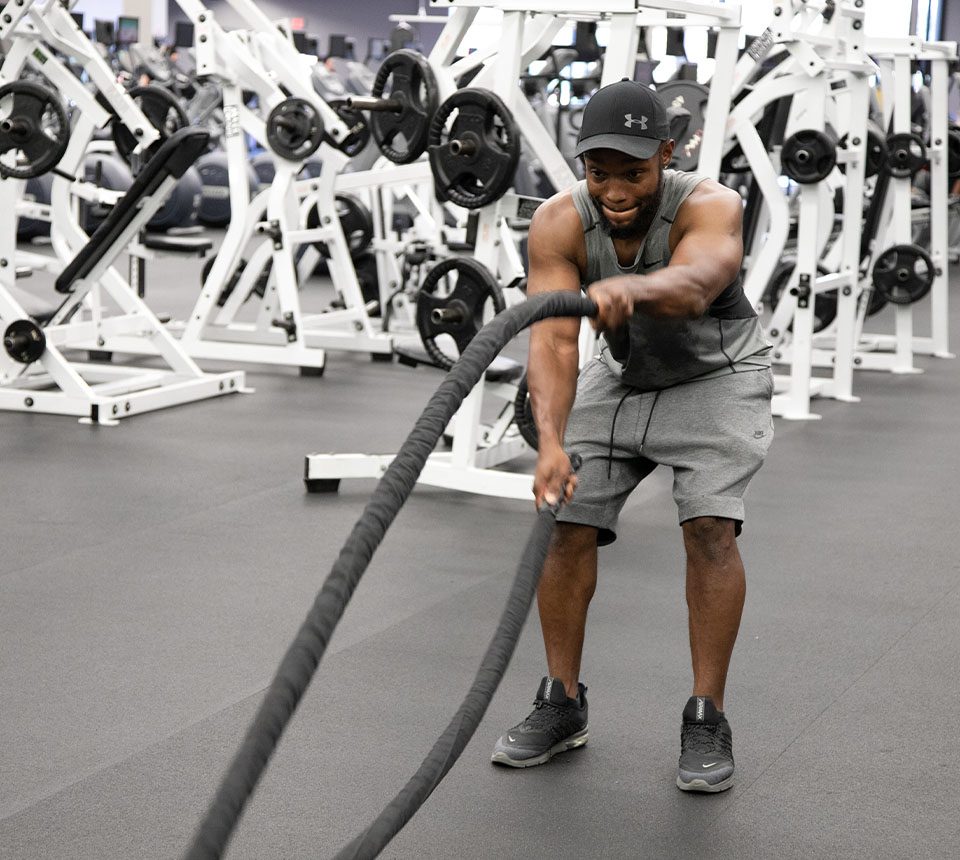
The Benefits of Functional Fitness: Why You Should Train Like an Athlete
Functional fitness is a training method that emphasizes movements you perform in daily life or in athletic situations. By incorporating exercises that mimic real-life activities, functional fitness enhances your body’s ability to perform everyday tasks with improved strength, balance, and flexibility. This type of training not only focuses on building muscle but also on developing the overall functionality of your body. For instance, lifting a heavy box off the ground, climbing stairs, or even playing with children can be easier and safer when you engage in workouts that promote functional strength.
Adopting a functional fitness regimen can lead to a range of health benefits, including increased core stability, injury prevention, and improved athletic performance. Unlike traditional weight training, which often isolates muscle groups, functional fitness uses multi-joint exercises that engage various muscle groups simultaneously. This holistic approach not only boosts your metabolic rate but also enhances coordination and reaction times, essential for athletic training. As you train like an athlete, you’ll notice not only physical changes but also a surge in confidence and mental toughness that comes from overcoming challenging workouts.
How to Incorporate Functional Movements into Your Workout Routine
Incorporating functional movements into your workout routine is a fantastic way to enhance your overall fitness and improve daily activities. Functional movements mimic everyday actions, helping to increase strength, flexibility, and coordination. Begin by identifying exercises that qualify as functional, such as squats, kettlebell swings, and lunges. These movements involve multiple joints and muscle groups, allowing you to work out in a more efficient and holistic manner. Aim to include at least three to four functional exercises per week in your regimen to reap the benefits of improved mobility and strength.
As you integrate functional movements into your workouts, consider the following tips:
- Focus on proper form to prevent injuries and maximize effectiveness.
- Start with bodyweight movements and gradually progress to weighted exercises as you build strength.
- Incorporate stability training, such as balance exercises or using a stability ball, to enhance core strength.
- Mix in plyometric exercises to improve power and explosiveness.
Is Functional Fitness Right for You? Exploring the Science Behind Functional Training
Functional fitness has gained immense popularity in recent years, and for good reason. This approach to training focuses on exercises that mimic everyday movements, enhancing your ability to perform daily tasks more efficiently. Research indicates that traditional gym workouts often isolate specific muscles, while functional training integrates multiple muscle groups and promotes coordination. By incorporating movements such as squats, lunges, and push-ups, functional fitness can improve your strength, flexibility, and balance. Ultimately, this leads to increased overall physical performance and a reduced risk of injury, making it an appealing option for individuals of all fitness levels.
Before diving into functional training, it’s essential to consider whether it's the right fit for your fitness goals. If you're looking to enhance athletic performance, or increase your capacity for daily activities, functional fitness can be particularly beneficial. However, it's important to assess your current fitness level and any pre-existing conditions that may affect your ability to perform certain exercises. Engaging with a qualified trainer who understands the principles of functional fitness can provide personalized guidance, helping you create a balanced workout plan tailored to your needs. In essence, the benefits of functional training can be profound, but they are maximized when pursued with a clear understanding of your individual circumstances.